

Cosmos Natural
At the international level, as of September 1, 2019, COSMOS — the new standard for organic and natural cosmetics — came into force. It is the result of a long process of research and collaboration that enabled the leading certification bodies to work together and compare their standards: the Italian ICEA, the French ECOCERT and COSMEBIO, the German BDIH, and the British SOIL ASSOCIATION.
In practice, COSMOS establishes the common requirements and definitions for organic and/or natural cosmetics within the European Union.
COSMOS (Natural)
Cosmos Organic and Cosmos Natural certify cosmetic products and raw materials for cosmetics. They guarantee compliance with the leading international standard for cosmetic products, the COSMOS standard, developed through the collaboration of the main certification bodies and international organizations in the sector.
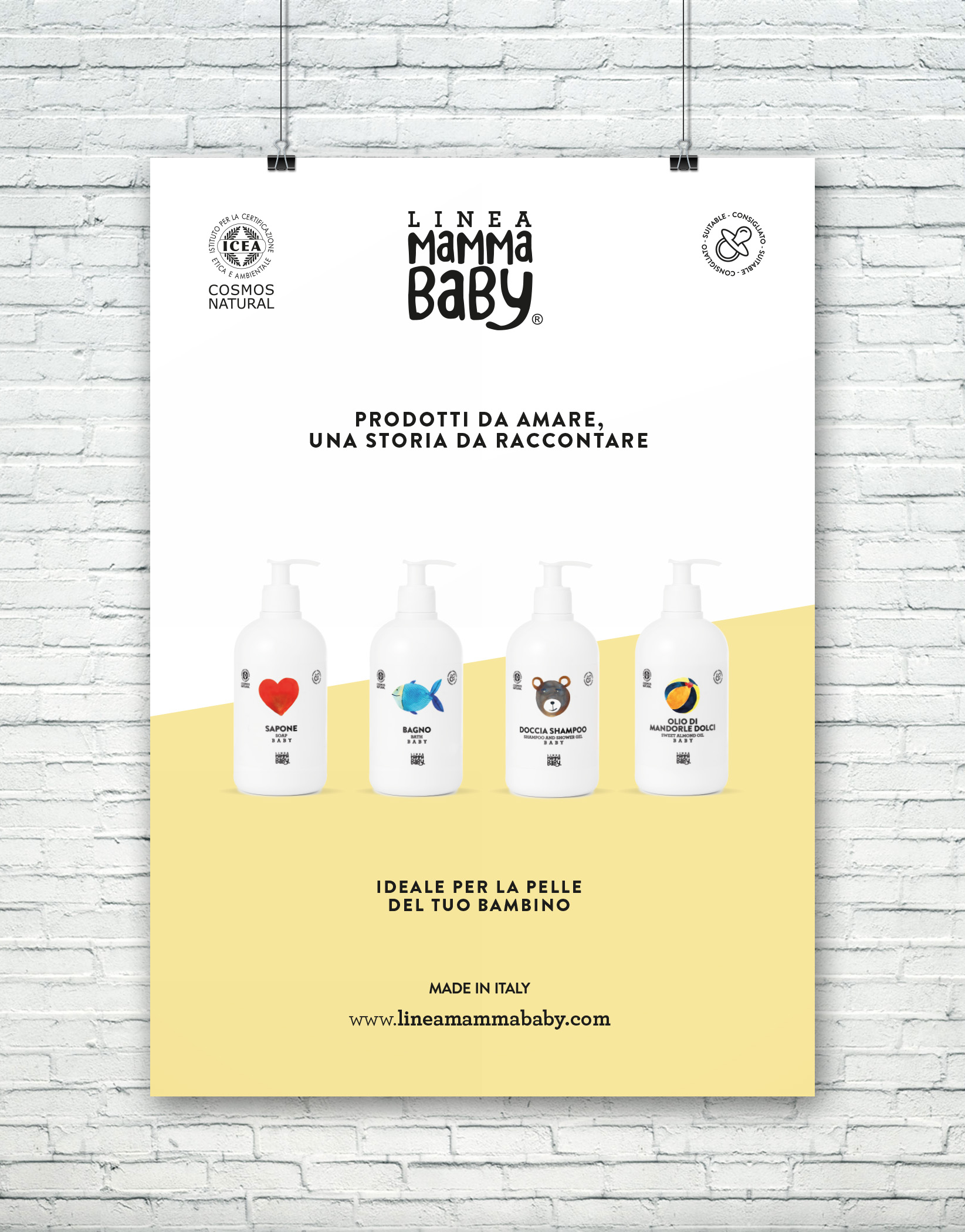
For certification purposes, the calculation of organic content excludes water and minerals. The standard sets limitations on chemical synthesis methods and processes, as well as on the transformation of natural products (of plant, animal, or microbial origin) used in formulations.
The extraction processes used must be included in a specific list attached to the standard guidelines. The use of raw materials derived from animals or plants listed in European and International protected species lists is prohibited.
Raw materials derived from parts of live or slaughtered animals may not be used.
However, the use of milk, honey, wax, and other animal-derived ingredients produced naturally by animals — and not obtained through their suffering or slaughter — is permitted.
Natural Cosmetics
ICEA/COSMOS certifies cosmetic products, cosmetic raw materials, and cosmetic products for animal use. It guarantees cosmetic products made with a preference for organic ingredients and naturally derived chemical substances, selected according to criteria of environmental sustainability and safety.
Unlike food products, in the cosmetics sector there is no law defining what an organic and/or natural cosmetic is. Certification is therefore a voluntary choice pursued by more advanced and responsible companies that feel the need to provide greater guarantees to their customers, subjecting themselves to the controls of an independent and professional organization that ensures their correct practices and the ecological quality of their products.
The certification operating rules are public, transparent, and identical for all producers using the ICEA mark.
ICEA/COSMOS products guarantee:
- Formulations made with ingredients of natural origin, selected according to environmental sustainability and safety criteria.
- Surfactants, active ingredients, and plant extracts derived from organic farming and certified according to the main international regulations.
- Mandatory testing on finished products to prevent undesirable effects.
- Truthful labels and claims supported by tests or reliable scientific literature.
- An independent control and certification system with international accreditation, which makes the rules, lists of certified companies and products (including ingredients) publicly available and answers consumer inquiries.
Certification process
The certification procedure is divided into 4 main stages:
- Initial evaluation of products and production processes, including assessment of product composition for which certification is requested, as well as compliance of raw materials through technical data sheets of all components. For all organic ingredients, certification issued by authorized control and certification bodies is required. For all products, microbiological stability tests (challenge tests) and skin tolerance clinical tests (patch tests) are also required.
- On-site inspection to verify actual compliance of products with the requirements of the standard; correct organization and management of manufacturing processes and internal procedures that may affect product conformity; compliance with relevant environmental criteria.
- Issuance of the Certificate of Conformity based on the information and data collected during the evaluation and verification process. The certificate includes the list of certified products.
- Annual surveillance, including periodic inspections at production units, storage facilities, and distribution centers to verify continued compliance. ICEA also carries out sampling and product analysis both at manufacturing sites and at points of sale.
Manufacturing
Different manufacturing processes must be separated to prevent contamination of organic or natural ingredients.
A Quality Control System must be in place, including:
- full traceability of ingredients and finished products
- production procedures for all stages of the supply chain
- testing of ingredients and products
- archiving of analysis, production, and storage documentation
Packaging
Primary and secondary packaging must meet the following criteria.
To minimize the direct and indirect environmental impact of packaging throughout its life cycle, companies are required to:
- minimize the amount of material used
- maximize the amount of material that can be reused or recycled
- where possible, use materials with recycled content
During inspections, it must be demonstrated that this has been implemented for each packaging format used.
Packaging must be reviewed at least every three years, and evidence must be provided (e.g., meeting minutes or a formal review procedure).
The MammaBaby Cosmos Natural line will continue to produce its 500 ml formats, replacing the bottle design from transparent to white.
One of the advantages of white bottles is better protection of raw materials from light, considering that every ingredient is of natural and/or organic origin.
PET will continue to be used to ensure greater impact resistance, continuity of design compared to the previous line, and safe and proper waste sorting and recycling of the packaging.
All 500 ml bottles will be equipped with a GSA dispenser without a spring and with a tamper-evident seal approved by the certifying body, to ensure reduced and controlled product dispensing.
The 100 ml bottles (travel pouches) will be made of white PET with a flip-top cap to ensure gradual product dispensing, while the 35 ml bottles (courtesy line) will also be made of white PET but with a screw cap.
In short, it is not enough for a cosmetic product to show a plant image on its label or have a name that vaguely recalls the natural world in order to be defined as “natural.”
It is therefore essential to be very careful when choosing cosmetic products, as eco-bio is becoming an increasingly important global market trend, and the real risk is encountering greenwashing (literally “greenwashing”).
This refers to so-called “eco-clever” (and not very ethical) companies that create the illusion of offering environmentally friendly products, while in reality their products are anything but eco-friendly. These are not frauds in a legal sense (although consumer associations are increasingly challenging them), because these companies do not claim their products are organic; instead, they use marketing techniques to lead less attentive consumers to believe they are.
For all these reasons, certification plays a crucial role.
PLUS
In addition to COSMOS Natural certification, we have chosen to “evaluate under pediatric supervision” two key baby care products: Baby Bath and Baby Shower Shampoo.
The test evaluates skin tolerance and gentleness under pediatric supervision. It is conducted in a laboratory on 30 healthy children with normal skin, aged from 0 months to 3 years, over a 28-day period.
Curiosities

A – COSMOS Natural symbol:
The certification ensures greater control over individual ingredients, guarantees the production chain, and verifies analytical testing.
B – Pacifier symbol:
Recommended from birth!
C – CLAIM TRUTHFULNESS
Pediatric supervision evaluation: greater safety for mothers!


